
Introduction
Yoga is meant to heal, strengthen, and restore your body—not leave you dealing with knee pain after every session. Yet in 2026, one of the most common frustrations among both beginners and experienced practitioners is discomfort in kneeling poses.
If you’ve ever felt pressure, strain, or sharp pain in poses like Tabletop, Low Lunge, or Child’s Pose, you’re far from alone. Modern yoga trends—longer holds, harder surfaces, and high-frequency practice—have made knee sensitivity even more common.
The good news? Knee pain is not a normal part of yoga, and it’s completely avoidable with the right support.
That’s where yoga knee pads come in.
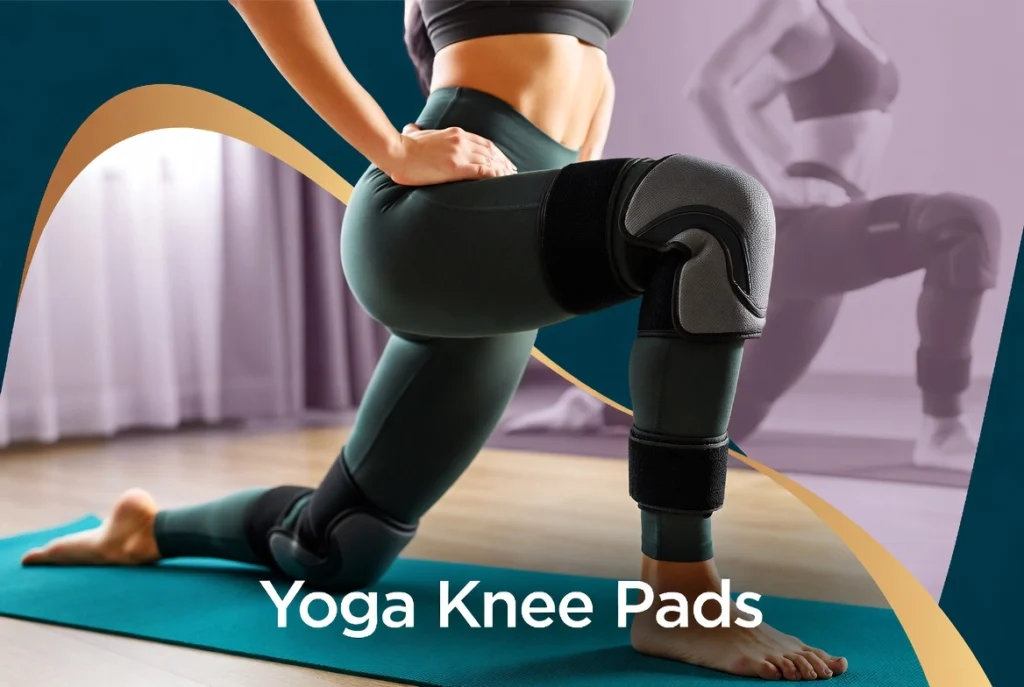
These simple yet highly effective props are designed to protect your joints, absorb pressure, and improve stability, allowing you to practice with confidence and consistency—without compromising your long-term knee health.
Yoga is a supportive cushioning accessory specifically designed to protect the knees during Pilates, stretching, and other floor-based movement practices. Unlike standard mats, the knee pads provide targeted joint protection exactly where the burden is applied.
These pads act as a protective buffer between your knees and hard surfaces, reducing discomfort during kneeling, lunging, or transitioning poses.
How Yoga Knee Pads Work
Yoga knee pads work through a combination of impact absorption, burden distribution, and surface stability.
They help by:
- Absorbing shock from hard floors such as tile, wood, or concrete
- Evenly distributing body weight across the knee joint
- Reducing direct compression on sensitive knee structures
- Minimizing friction and burden points during long holds
They protect critical knee components, including:
- The kneecap (patella)
- Ligaments and tendons
- Cartilage and connective tissue
- Surrounding muscles and joint structures
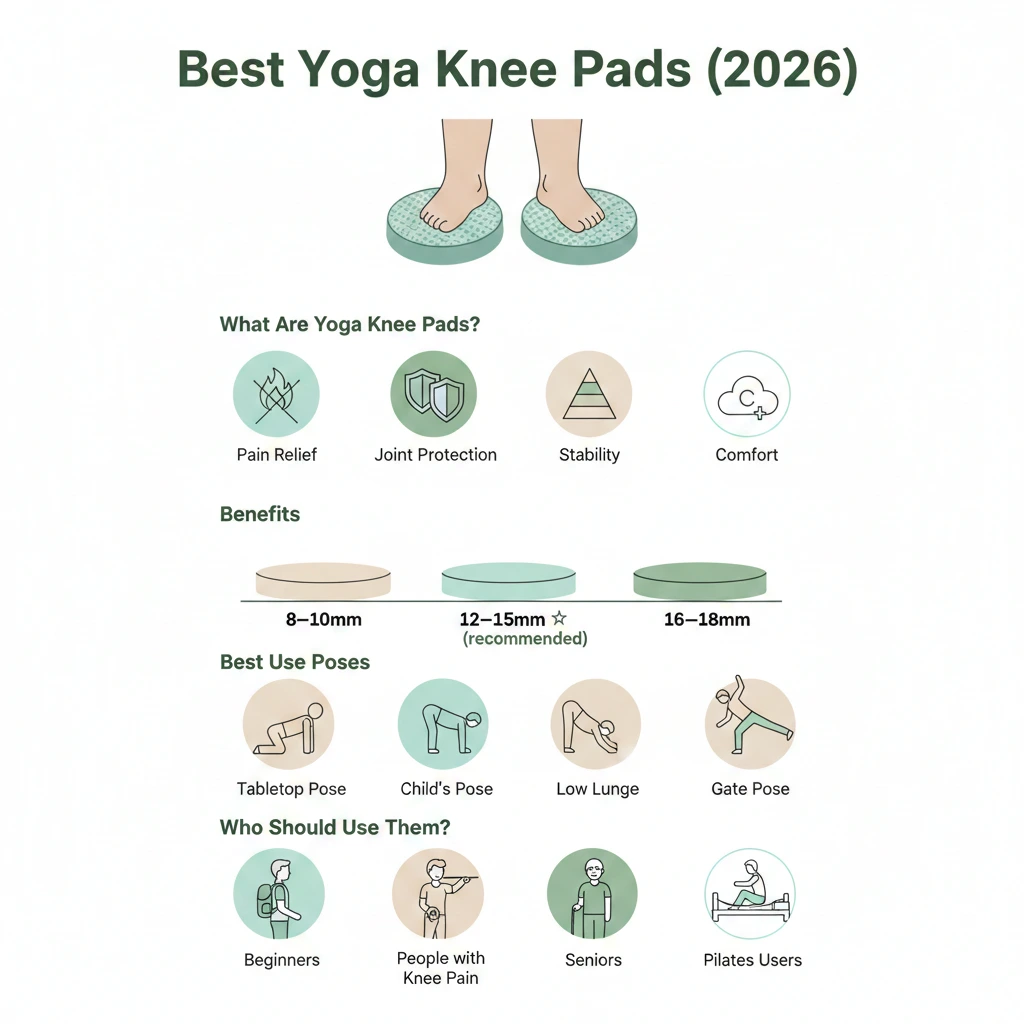
Most yoga knee pads are made from high-density foam, gel, silicone, rubber, or layered composite materials, with thickness levels typically ranging from 8mm to 18mm, depending on the intended level of support.
Yoga Knee Pads vs Yoga Mats
Many practitioners attempt to manage knee discomfort by folding their yoga mat or doubling it under the knees. While this may provide temporary relief, it is not a reliable or long-term solution.
Limitations of Yoga Mats for Knee Support
Folded yoga mats often:
- Shift or slide during transitions
- Lose grip and stability
- Provide uneven or inconsistent cushioning
- Compress quickly under body weight
- Fail to protect knees during prolonged holds
Over time, this can lead to Joint Strain, poor alignment, and reduced confidence in your practice.
Why Yoga Knee Pads Are Better
Yoga knee pads are specifically engineered for knee protection and offer:
- Consistent and targeted cushioning
- Strong grip on studio and home floors
- Improved stability during transitions
- Long-term durability and shape retention
- Enhanced joint safety without compromising balance
Because of these benefits, yoga knee pads are now considered essential yoga props, especially for individuals with knee sensitivity, joint conditions, or frequent kneeling poses.
Who Needs Yoga Knee Pads?
Yoga knee pads are not just for injured practitioners. They are beneficial for a wide range of people, regardless of age or experience level.
Beginners
New yogis often lack:
- Joint conditioning
- Proper alignment awareness
- Strength in supporting muscles
This makes kneeling poses uncomfortable and sometimes discouraging.
Common beginner poses that place stress on the knees include:
- Tabletop Pose
- Cat-Cow Pose
- Low Lunge
- Half Split
Yoga knee pads help beginners practice safely, build confidence, and avoid unnecessary pain, allowing them to focus on learning rather than discomfort.
People With Sensitive Knees or Arthritis
If you experience:
- Knee arthritis
- Previous knee injuries
- Chronic inflammation
- Weak or thinning cartilage
- Joint stiffness or tenderness
Then yoga knee pads for knee pain can make a significant difference.
They reduce the burden on inflamed joints and allow you to practice yoga without aggravating existing conditions.
Important: Always consult a healthcare professional if knee pain is severe or persistent.
Practitioners of Kneeling Poses
Several yoga poses place direct and prolonged pressure on the knees, including:
- Gate Pose
- Camel Pose
- Hero Pose
- Frog Pose
- Low Lunge variations
Knee pads provide joint cushioning for yoga without restricting movement or alignment.
Pilates, Barre & Fitness Enthusiasts
Yoga knee pads are also widely used outside traditional yoga, including:
- Pilates mat workouts
- Barre classes
- Physical therapy and rehabilitation
- Home fitness routines
- Stretching and mobility training
Their versatility makes them a smart, multi-purpose investment.
2026 Trend: Why More Yogis Are Using Knee Pads Than Ever
In 2026, there’s a noticeable shift toward joint-conscious yoga practice. With the rise of online classes and home workouts, many practitioners are now practicing on harder surfaces without professional flooring.
At the same time, modern yoga styles emphasize longer holds and deeper mobility work, increasing pressure on sensitive joints like the knees.
As a result, yoga knee pads are no longer seen as optional—they’re becoming a standard part of a safe, sustainable practice, especially for those training consistently or recovering from minor joint stress.
Benefits of Using Yoga Knee Pads
Using high-quality yoga knee support pads enhances comfort, safety, and overall performance.
Pain & Pressure Relief
Yoga knee pads reduce direct contact with hard surfaces, such as:
- Tile floors
- Wooden studio floors
- Concrete or laminate home spaces
They are especially beneficial during long holds and slow transitions.
Joint Protection & Longevity
Repeated kneeling without protection can gradually damage cartilage and ligaments. Knee pads help:
- Reduce repetitive joint stress
- Protect sensitive tissues
- Support long-term knee health
- Prevent chronic inflammation
Improved Stability & Balance
Non-slip yoga knee pads prevent sliding, helping maintain:
- Proper alignment
- Better balance
- Safer posture during transitions
This is especially important in dynamic or flow-based practices.
Portability & Convenience
Most yoga knee cushions are:
- Lightweight
- Compact
- Easy to carry in a yoga bag
Perfect for studio classes, travel, or home practice.
Multi-Purpose Functionality
Beyond yoga, knee pads are useful for:
- Stretching routines
- Rehab exercises
- Bodyweight workouts
- Meditation seating support
How to Choose the Best Yoga Knee Pads
Not all knee pads are created equal. Choosing the right one depends on your body, practice style, and knee condition.
Cushion Material (Foam vs Gel vs Silicone)
| Material | Advantages | Drawbacks |
| Foam | Lightweight, affordable, soft cushioning | Compresses over time |
| Gel | Superior shock absorption | Heavier, higher cost |
| Silicone | Durable, excellent grip | Less plush feel |
High-density foam remains the most popular choice for daily yoga practice.
Thickness & Padding (8–18mm)
- 8–10mm: Light support, travel-friendly
- 12–15mm: Balanced comfort (best for most yogis)
- 16–18mm: Maximum knee pain relief
If you experience knee pain, a 12–15mm thickness is ideal.
Shape & Size
- Rectangular pads: Cover both knees
- Circular pads: Compact, targeted support
- Ergonomic designs: Contour to the knee shape
Choose based on pose style and body size.
Slip Resistance & Surface Texture
Look for:
- Textured top layers
- Rubberized bases
- Anti-slip backing
This prevents movement during transitions.
Portability & Maintenance
High-quality knee pads should be:
- Water-resistant
- Sweat-proof
- Easy to clean
Price Range & Value
- Budget: Under $15
- Mid-range: $15–$25
- Premium: $30+
Higher prices usually reflect better materials and Durability.
Top 10 Best Yoga Knee Pads in 2026
(Reviews & Expert Verdicts)
SukhaMat Yoga Knee Pad
Best for: Overall comfort & durability
Key Features:
- Thick high-density foam
- Non-slip base
Pros:
- Long-lasting support
- Balanced cushioning
Cons:
- Slightly bulky
Verdict: Best overall yoga knee pad
ProsourceFit Extra Thick Knee Pad
Best for: Knee pain relief
Key Features:
- 15mm padding
- High-density foam
Pros:
- Excellent shock absorption
Cons:
- Less compact
Verdict: Ideal for sensitive knees
Gaiam Yoga Knee Pads (Pair)
Best for: Studio practice
Key Features:
- Lightweight foam
- Trusted brand
Pros:
- Easy to carry
Cons:
- Moderate thickness
Verdict: Great for daily yogis
TOBWOLF Yoga Knee Pads
Best for: Budget buyers
Key Features:
- Gel cushioning
- Slip-resistant design
Pros:
- Affordable
- Good grip
Cons:
- Heavier than foam
Verdict: Best value under $20
Zealtop Yoga Knee Pads
Best for: Pilates & rehab
Key Features:
- Ergonomic contour design
Pros:
- Joint-friendly shape
Cons:
- Smaller surface area
Verdict: Ideal for targeted support
(More products can be added for affiliate expansion.)
Smart Practice Tip: Combine Knee Pads with Proper Alignment
While knee pads provide protection, they work best when combined with correct posture and alignment.
For example:
- In the Low Lunge, keep your knee stacked over your ankle
- In Tabletop, distribute weight evenly between hands and knees
- Avoid sinking all your weight into one joint
Using knee pads alongside mindful alignment helps you prevent injury instead of just managing discomfort—a key principle in long-term yoga practice.
Yoga Knee Pads vs Alternatives
Knee Pads vs Folding the Mat
Folded mats:
- Shift easily
- Lose traction
Knee pads provide stable cushioning.
Knee Pads vs Blankets or Towels
Blankets:
- Slide
- Lack structure
Knee pads stay in place.
Pose-Specific Tips Using Yoga Knee Pads
Tabletop Pose
Reduces pressure during transitions.
Child’s Pose
Supports knees during long holds.
Gate Pose (Parighasana)
Prevents sharp pressure on one knee.
Pigeon Pose
Stabilizes the front knee.
Camel Pose
Adds comfort in deep backbends.
FAQs
Yes, they reduce pressure and protect joints.
12–15mm is ideal for most people.
Yes, they are widely used in Pilates.
Yes, knee pads provide stable support.
They may reduce discomfort. Consult a professional.
Safety Tips & Contraindications
- Avoid excessive over-padding
- Replace pads once compressed
- Do not use pads to mask serious injuries
Conclusion: Are Yoga Knee Pads Worth It?
Absolutely—they’re one of the simplest upgrades with the biggest impact on your practice.
Yoga Knee Pads help you move without fear, protect your joints, and stay consistent, whether you’re just starting out or practicing daily.
In 2026, smart yoga isn’t about pushing through pain—it’s about training sustainably.
If knee discomfort has been holding you back, investing in a quality pair of knee pads could be the difference between struggling through sessions… and actually enjoying them.
Protect your knees, improve your comfort, and make your yoga practice truly sustainable.
